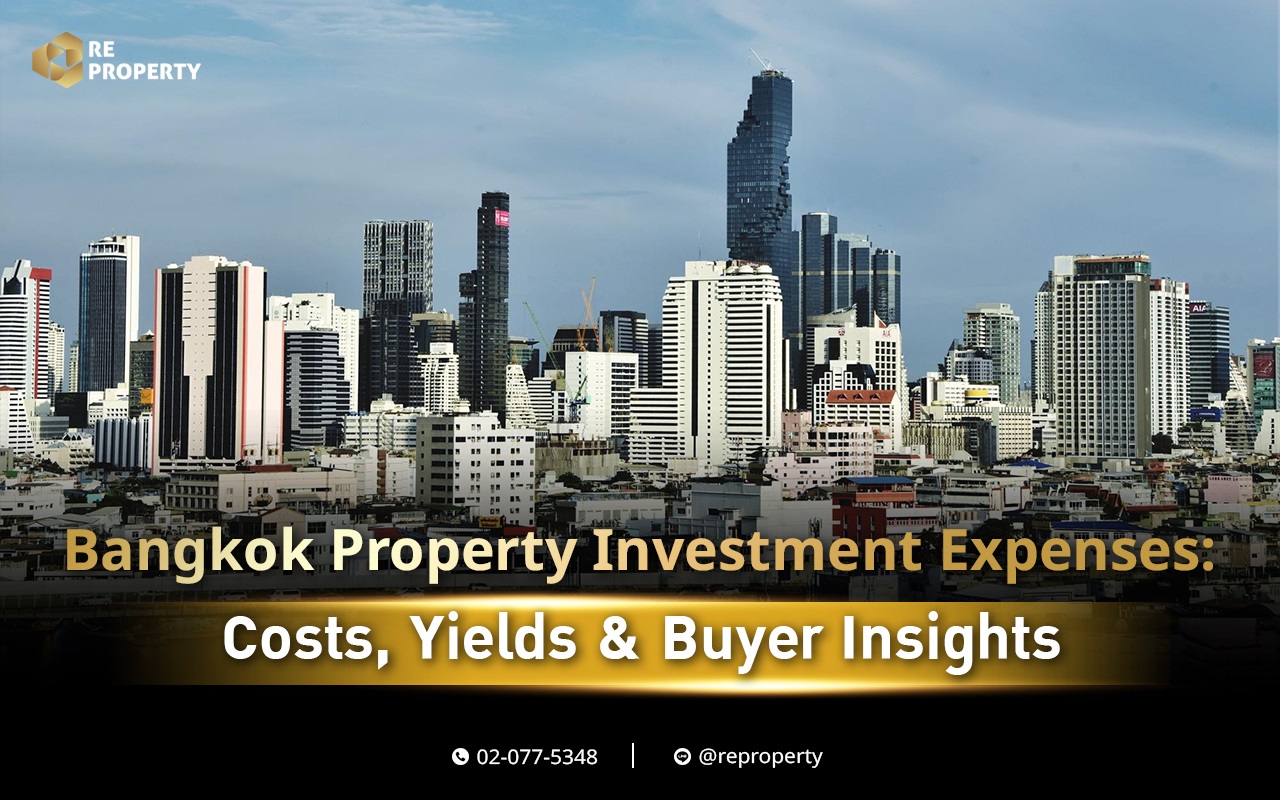
Investing in real estate in Bangkok continues to be one of the most attractive options in Southeast Asia. With a growing population, strong rental demand, and relatively low property prices compared to cities like Singapore or Hong Kong, the Thai capital offers real opportunities—especially for those buying condos for investment. But before diving in, it’s essential to understand all the associated costs, hidden fees, and long-term considerations.
When purchasing a condo or house in Bangkok, the purchase price is just the beginning. Transfer fees, taxes, and legal costs can add up. The transfer fee, which is typically 2% of the registered value, is usually split between the buyer and seller. If the seller has owned the property for less than five years, they may also incur a specific business tax. As a buyer, you may need to pay for legal review, translation, or even an interpreter if the transaction is in Thai.
If you’re using a real estate agent, most resale properties do not involve commission fees for the buyer—this is covered by the seller. However, if you’re asking an agent to help source specific off-market deals or investment units, a fee of 1–2% might apply.
Condo owners must pay monthly common area maintenance (CAM) fees, which vary depending on the size of the unit and the quality of the facilities. These fees support the upkeep of amenities like pools, gyms, and security. On average, you can expect to pay between 30 to 80 THB per square meter per month.
Besides that, you’ll need to budget for repairs and maintenance. Even a brand-new condo might require regular air conditioner servicing, occasional plumbing fixes, or appliance replacements. If you’re renting the unit out, especially to expats, prompt maintenance can directly affect your rental reviews and occupancy rate.
For houses in gated villages, the common fees are usually paid yearly and often higher, but they cover road maintenance, security, and shared landscaping.
Most Bangkok condos come semi-furnished, especially new developments. If you’re buying a bare shell or upgrading to attract higher-paying tenants, furnishing can cost between 150,000–500,000 THB or more depending on your design style.
If you live overseas, it’s advisable to hire a property manager to handle tenant queries, repairs, and rent collection. This typically costs 5–10% of the monthly rent but saves you headaches and ensures better tenant relationships.
As tempting as it is, Airbnb rentals are not legally permitted in most condos without a hotel license. Owners caught renting short-term may face penalties, fines, or involvement with the Thai police.
Yields in Bangkok generally range between 4–6% annually for well-located units near BTS or MRT lines. Smaller units (studios or 1-bedrooms) close to public transit tend to rent the fastest and experience fewer vacancies. Demand from expats, digital nomads, and long-stay tourists has helped stabilize the market.
When planning your exit strategy, resale timing matters. Properties held longer than five years attract fewer taxes. Buyers should also consider whether their property has broad appeal—units in branded developments, near international schools, or with BTS access usually have better liquidity.
For most foreign investors, a condo is the safer and more manageable option. It’s easier to rent out, requires less upkeep, and ownership is legally straightforward. Foreigners can legally own up to 49% of the total condo units in a building, making it the preferred choice.
Houses offer more space and privacy, but they come with maintenance burdens and fewer tenants seeking standalone homes unless located in family-friendly areas like Ladprao or Krungthep Kreetha. Additionally, foreigners cannot legally own land, so house ownership often involves leasehold arrangements.
When investing in Bangkok property, it’s important to think beyond purchase and rental income—you also need a clear exit strategy. Reselling a condo in Thailand can be straightforward if you prepare correctly, but several factors will influence how quickly and profitably you can sell.
Firstly, holding the property for at least five years can significantly reduce taxes. For example, the Specific Business Tax is waived after five years of ownership (and if the unit was your primary residence). When selling, you’ll also pay a transfer fee, withholding tax, and possibly stamp duty—make sure your agent or lawyer helps you calculate these in advance.
Buyers in Bangkok often prefer units that are modern, well-maintained, and in prime locations near BTS or MRT stations. Properties in developments from reputable brands (like Sansiri, Noble, or Ananda) tend to resell faster due to stronger demand. Additionally, units with full furniture packages and professional photos tend to stand out in listings, attracting local and foreign buyers.
If you’re planning to sell while still tenanted, this can be an advantage, especially for investment buyers looking for immediate income. However, you must be transparent with both the buyer and the tenant—and ensure all lease documentation is clean.
Choosing the right location is key to maximizing your rental income and ensuring good resale potential. Bangkok offers a wide range of neighborhoods for different types of investors.
These areas are consistently in high demand among expats, especially Japanese and Western professionals. High-end condos in these zones are easy to rent and resell, but they come at a premium.
Emerging as trendy alternatives to Sukhumvit, these districts attract younger expats and digital nomads. Prices are still more accessible, and the area has a cool, walkable vibe with cafes and co-working spaces.
The new Central Business District (CBD) of Bangkok. This area has grown rapidly due to its proximity to Chinese businesses, embassies, and shopping centers. Prices are moderate, and rental demand is solid.
For those considering low-rise houses or family tenants, these areas are worth watching. They’re more suburban but offer new housing projects, international schools, and access to expressways.
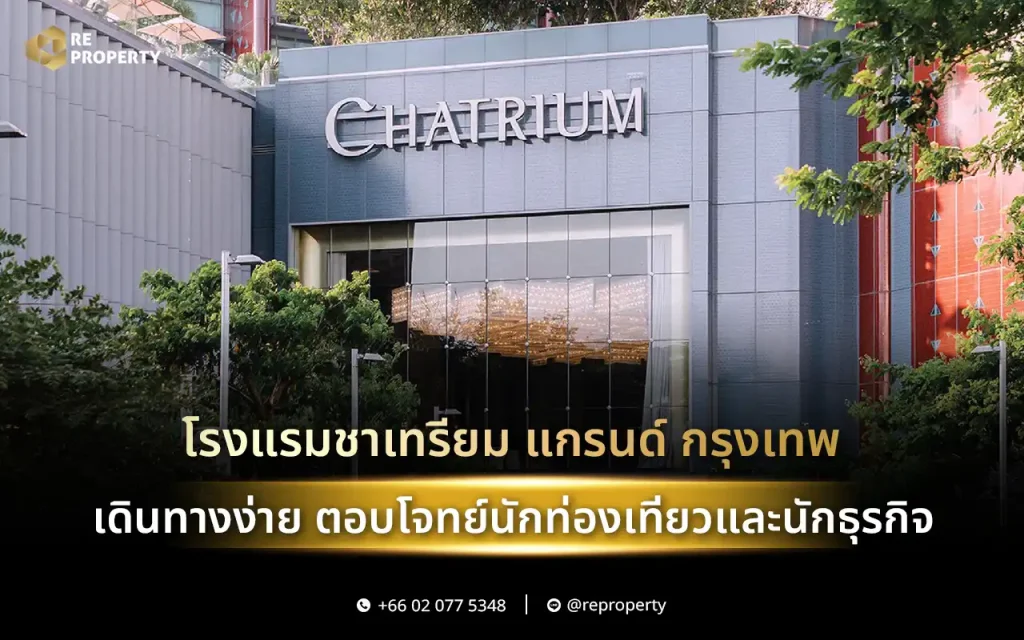
Luxury riverside condos have gained traction thanks to developments like ICONSIAM and Chatrium. This area appeals to wealthy Thais and long-term investors who seek scenic views and brand-name residences.
Ultimately, proximity to public transportation (especially BTS and MRT lines) remains the strongest driver of rental appeal and resale value in Bangkok. Look for areas with long-term infrastructure plans, new malls, or transport hubs to stay ahead of the curve.
Understanding all the costs—beyond just the purchase price—is critical to making a smart real estate investment in Bangkok. From common fees and agent commission to furnishing, maintenance, and resale considerations, having a full picture helps you set realistic expectations and make better returns.
Whether you’re buying for passive income or long-term capital gains, Bangkok remains one of Asia’s top real estate destinations. Just make sure to follow Thai real estate laws, consult professionals, and partner with a trusted real estate agent.
Yes, foreigners can own condo units outright, provided foreign ownership in the building does not exceed 49%. Landed property requires a long-term lease structure.
Most condos yield 4–6% annually. Higher returns are possible in well-furnished units located near BTS or MRT lines.
No. Short-term rentals under 30 days are illegal in most condo buildings unless they hold a hotel license.
Areas like Sukhumvit (Asoke, Phrom Phong), Thonglor, Sathorn, and Ari are popular with expats and offer strong rental potential.
Typically, the seller pays the commission. However, some buyer-agent services may charge a fee if they find off-market or exclusive deals.
If well-furnished and priced competitively, units near BTS/MRT stations can rent out within 2–4 weeks.
As the landlord, you’re responsible for repairs. Regular maintenance—especially AC servicing—is essential to avoid tenant complaints.
Yes, if the property is in a good location, priced well, and has clean legal documentation. Branded developments tend to have stronger resale appeal.
Stay informed with the latest expert insights on Bangkok’s thriving real estate market, investment opportunities, and property trends.
To register your property information, please fill out the form below