Airbnb and short-term rentals have surged in popularity across major cities like Bangkok, Pattaya, Chiang Mai, and Phuket. But while the platform is convenient for tourists, many property owners and investors are unsure whether it’s actually legal to list a condo on Airbnb in Thailand. The answer isn’t simple—and making the wrong move could lead to serious fines or legal issues.
This guide explains the legal status of Airbnb in Thailand, what condo juristic offices can do to prevent it, what happens if your tenant lists your unit illegally, and how to rent legally under Thai law.
In most cases, Airbnb is not legal for rentals under 30 days unless the property has a hotel license.
According to the Hotel Act B.E. 2547, any property offering short-term accommodation (less than 30 days) to paying guests must be registered as a hotel. This applies to condos, apartments, townhouses, and even detached houses.
The law also states:
Many condominiums in Bangkok, especially in popular areas like Thonglor, Ekkamai, Phrom Phong, Chit Lom, and Sathorn, now actively ban short-term rentals. The reasons are:
Some condos have taken things further by implementing:
These systems make it very difficult to operate Airbnb covertly, and juristic offices are becoming more proactive in catching violators.
Some landlords allow tenants to rent long-term, but then those tenants illegally sublet on Airbnb. Here’s what can happen:
To avoid this:
Under Thai law, here are the key legal issues and consequences:
Violation | Legal Basis | Penalty |
Short-term rental under 30 days | Hotel Act B.E. 2547 | Fine up to ฿20,000 + ฿10,000/day ongoing |
Unauthorized subletting | Civil & Commercial Code | Contract termination, loss of deposit |
Disturbing condo residents | Condo Act & Building Regulations | Fine, denied access, legal complaint |
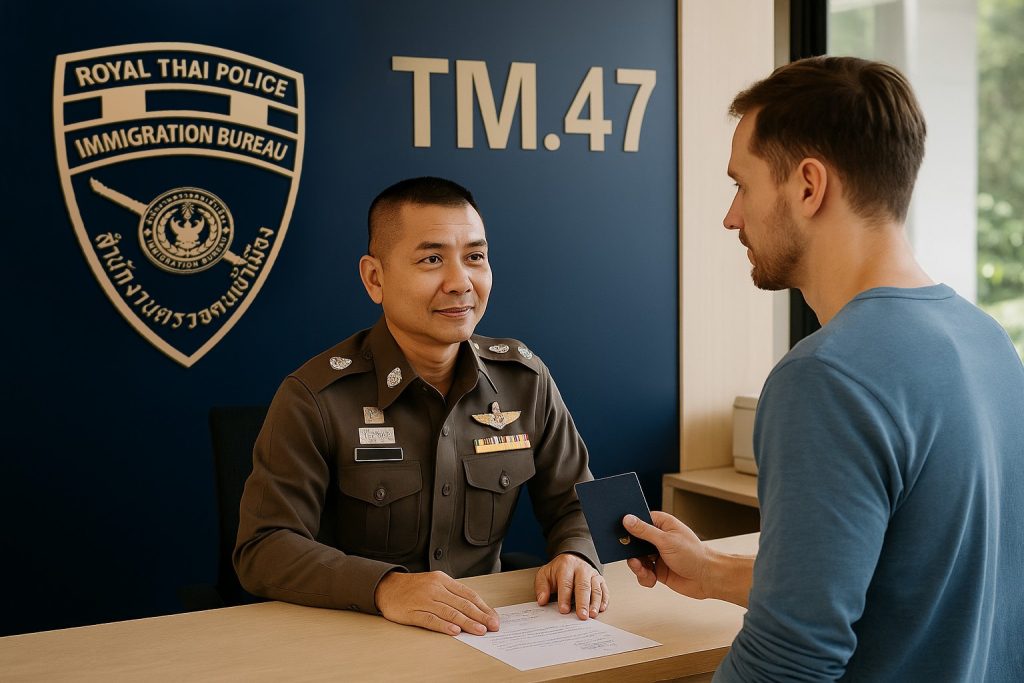
Hosting foreign guests | Immigration Act (TM30 rules) | Immigration violation for lack of reporting |
If you’re a property owner or investor, here’s how to stay legal:
If short-term isn’t possible, consider:
Platforms that specialize in legal rentals for expats and tourists
Whether you’re an owner or a tenant:
It’s not worth the risk—especially when Thailand offers a healthy long-term rental market with solid yield opportunities.
No, unless you rent for 30+ days or have a hotel license.
Only if your condo allows it and the stay is longer than 30 days
You can terminate the lease, keep the deposit, and notify juristic office
Up to ฿20,000 initially + ฿10,000 per day for ongoing violations.
Rarely. Most Bangkok condos prohibit rentals under 6 months
Yes. Long-term rentals are common, with stable demand and less risk
Use smart contracts, work with trusted agents, and monitor listings
Use legal channels like RE Property, long-term lease platforms, or monthly rentals on Airbnb.
Stay informed with the latest expert insights on Bangkok’s thriving real estate market, investment opportunities, and property trends.
To register your property information, please fill out the form below