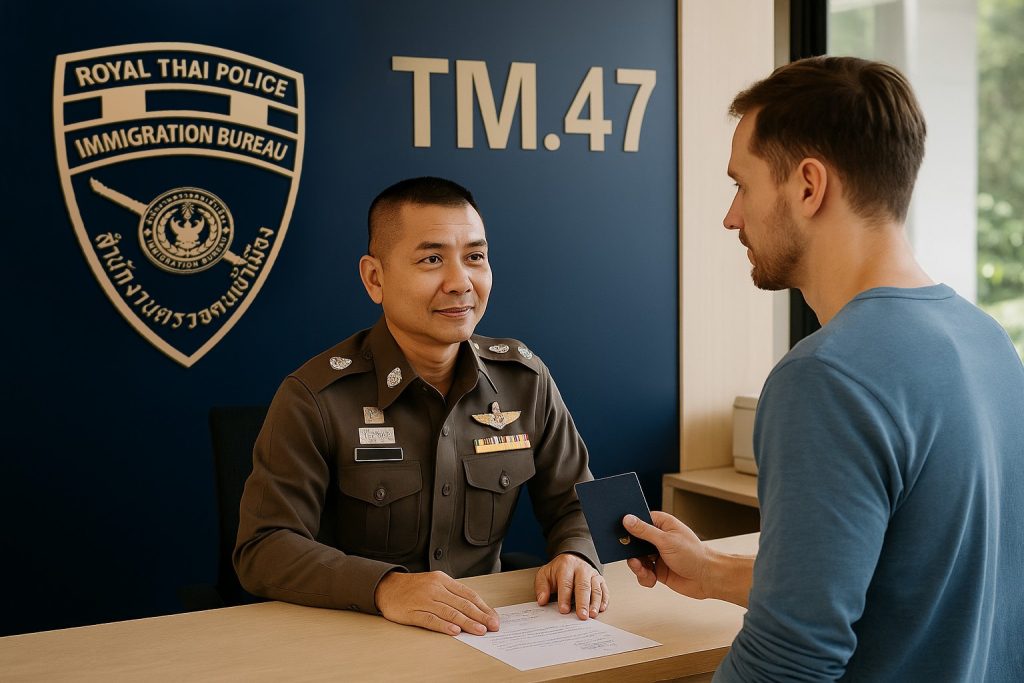
If you’re a landlord in Thailand—especially in popular areas like Bangkok, Phuket, or Pattaya—you’ve probably heard of the TM30 form and rental contracts. But how well do you understand the legal responsibilities that come with them? From TM30 reporting to proper lease agreements and what to do in case of a dispute, this guide breaks down what every property owner needs to know when renting to foreigners.
The TM30 is an immigration form required by Thai law. It requires landlords or property managers to report the presence of foreign tenants (non-Thais) staying in their property.
The owner, property manager, or hotel/host must file within 24 hours of the foreigner’s arrival.
Fines of THB 800–2,000, possible visa issues for the tenant, and serious risk if the property is ever inspected.
Many landlords renting condos in Bangkok, Chiang Mai, or beach towns like Hua Hin don’t realize they must still file TM30, even if the tenant has a valid visa and long-term lease. This is especially critical for properties rented to foreigners on:
Even if your tenant registers a lease with the land department or shows a work permit, TM30 filing is still your duty as the landlord.
A lease in Thailand can be verbal, but for real legal protection—for both parties—it should be written, signed, and clearly state the rental terms. Key elements of a proper lease:
You may also want to register the lease with the Land Department if the lease is over 3 years, which makes it enforceable under Thai real estate law.
Yes—but only in specific situations, such as:
Follow Thai law and give proper written notice, or you may lose your right to claim the deposit. If the tenant violates terms (e.g., runs Airbnb in a condo that prohibits it), you can terminate the contract and retain the deposit, as long as this clause is written in the lease.
Many condominiums in Bangkok now strictly prohibit short-term rentals of under 30 days or even 6 months. They enforce this via:
If your tenant breaks this rule and sublets the unit on Airbnb, both the landlord and tenant may face fines, and the condo juristic office may take legal action.
If you’re working with an agent or property manager, make sure they:
Good agents protect both you and your property and help you stay within legal boundaries.
Thailand’s real estate rental landscape is increasingly regulated, especially in major cities and tourist hotspots. Whether you’re renting out a condo in Sukhumvit, a house in Thonburi, or a unit in Pattaya, staying updated on TM30, lease contracts, and property law in Thailand will help you avoid legal headaches—and keep your investment safe.
TM30 is a form that landlords or hosts must submit to Thai immigration to report foreign tenants within 24 hours of arrival.
Yes, fines typically range from 800–2,000 THB per incident.
No. The landlord or property manager is legally responsible.
Not unless the property has a hotel license. Many condos ban stays under 30 or even 180 days.
Yes, if the lease includes this clause and the tenant violates it (e.g., subletting, non-payment, damage).
Not legally, but it’s highly recommended for protection and to include Thai/English clauses.
Yes—even for tenants with ED, Retirement, or Business visas.
Yes, many reputable agents offer full-service rental and legal support.
Stay informed with the latest expert insights on Bangkok’s thriving real estate market, investment opportunities, and property trends.
To register your property information, please fill out the form below